July 29, 2026
In the fast-paced world of residential and commercial climate control services, the capability to save time while strictly maintaining an exceptional quality of craftsmanship is essential. Professionals operating in this demanding trade face constant challenges in baseline scheduling, logistical execution, and after-service follow-up management. This article will comprehensively explore the various strategic methodologies that leading air conditioning contractors employ to maximize daily operational efficiency, directly benefiting both the individual service providers and their residential clients. By seamlessly deploying time-saving techniques, technicians can significantly increase their physical capacity to handle more customer calls, thereby improving overall company profitability. Understanding and implementing these time-saving strategies translates directly into elevated customer satisfaction through prompt, reliable, and highly effective mechanical interventions.
Efficient Scheduling Techniques
Utilizing specialized cloud-based scheduling software acts as a transformative asset for modern air conditioning contractors, enabling dispatchers to manage field appointments with absolute precision. This software provides a unified, centralized platform where dispatch itineraries can be instantly viewed, dynamically modified, and transmitted to technicians in real time. This digital clarity drastically reduces the operational likelihood of double-bookings and missed appointments, ensuring each homeowner receives prompt attention. By leveraging these computerized routing tools, local service firms can effortlessly accommodate an expanded volume of regional clients by minimizing mechanical downtime and maximizing actual field labor hours.
Task prioritization represents another critical pillar of high-efficiency business scheduling. By evaluating each incoming call's mechanical urgency and establishing a strict hierarchy of structural needs, experienced air conditioning contractors can allocate labor assets effectively. High-priority service tickets, such as complete system failures during dangerous summer heatwaves, are swiftly routed to emergency dispatchers, while basic seasonal tune-ups are systematically organized around them.
Furthermore, successful organizations coordinate closely with customers to isolate perfect service windows, reducing missed visits and matching appointments with the homeowner's personal routine. Team-wide calendar synchronization ensures that administrators, warehouse personnel, and field technicians operate using the exact same live timeline. This open flow of scheduling information eliminates logistical delays, minimizes unproductive cross-town travel times, and ensures proper tooling availability on site.
Advanced Training and Knowledge Sharing
Continuous technical education is paramount to maintaining a sharp competitive edge in an evolving mechanical industry. Regular corporate training programs guarantee that field technicians remain completely up to date with the newest regulatory guidelines, environmental standards, and localized electrical wiring diagrams. Well-trained service crews can accurately diagnose complex mechanical faults much faster and with greater technical confidence, saving invaluable hours on complex field calls. Investing heavily in employee development translates directly into enhanced field productivity and minimal call-backs.
Enabling field teams to access industry-specific workshops, technical webinars, and digital blueprint libraries allows for rapid adaptation to shifting equipment specifications. Cross-training field technicians to handle diverse tasks—ranging from advanced sheet metal fabrication to precise refrigerant reclamation—creates a versatile workforce capable of maintaining smooth operations despite unforeseen staffing disruptions.
Furthermore, advanced air conditioning contractors utilize digitized knowledge management systems to centralize complex technical reference materials. These mobile-accessible databases store vital diagnostic histories, obscure fault codes, and historical equipment data that field technicians can reference instantaneously while standing directly in front of a malfunctioning heat pump. Eliminating the tedious process of manually searching through printed paper manuals significantly accelerates diagnostic cycles. Fostering a corporate culture centered on continuous process improvement empowers employees to actively develop, refine, and share new time-saving strategies across the entire organizational framework.
Adopting the Latest Technological Tools
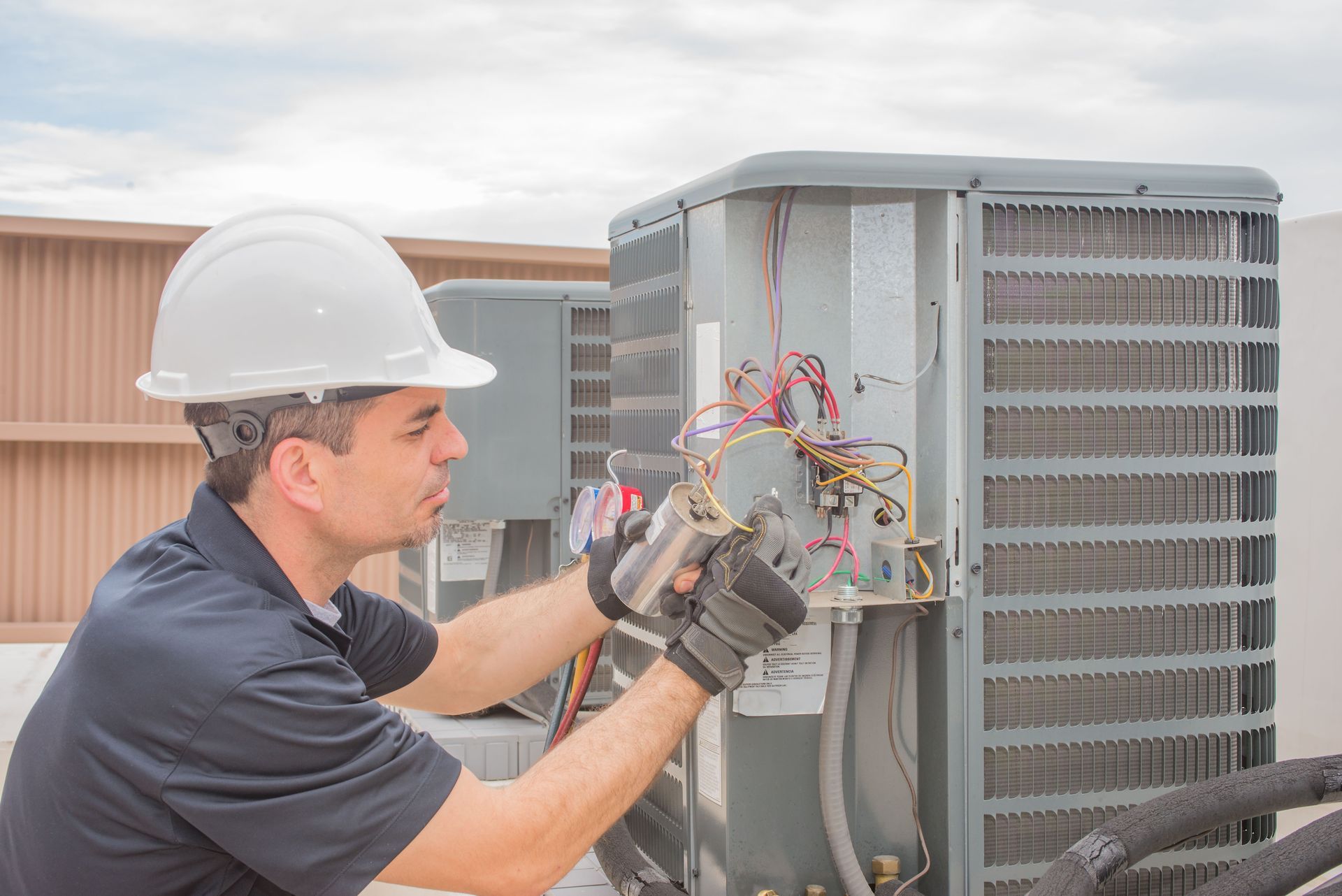
Employing digital diagnostic instruments enables field technicians to pinpoint system component failures rapidly, drastically decreasing the hours spent on tedious trial-and-error troubleshooting procedures. These advanced instruments elevate standard maintenance checks beyond basic manual inspections by delivering instantaneous, highly accurate data readouts regarding airflow pressure drop, electrical resistance, and exact thermodynamic cycles.
With precise physical data points instantly viewable on screen, technical teams can deploy targeted system repairs or exact structural replacements far more swiftly. According to HomeGuide, an HVAC installation typically wraps up in 1 to 2 days if the home's existing ductwork is reused. By utilizing high-tech diagnostic suites, technicians can further streamline complex change-outs, breaking down elaborate installation sequences into predictable steps for improved productivity.
Mobile field software has completely revolutionized on-site property assessments by providing instantaneous access to vital documentation. Field technicians leverage these mobile applications to review factory installation schematics, structural property notes, and past system maintenance histories directly at the outdoor condenser unit.
For large-scale structural surveys or complex commercial assignments, forward-thinking air conditioning contractors deploy specialized camera drones to inspect inaccessible rooftop ventilation configurations safely and swiftly, entirely eliminating the significant setup time required for heavy extension ladders or scaffolding arrays. Additionally, installing smart home management systems and automated remote diagnostic sensors allows contractors to track performance metrics off-site. This predictive infrastructure warns technicians of minor component wear long before a catastrophic breakdown occurs, transforming modern emergency service into structured, highly efficient preventative maintenance visits.
Effective Communication Strategies
Implementing modern Customer Relationship Management (CRM) databases allows air conditioning contractors to optimize client management by centralizing communication logs, equipment warranty statuses, and historical property invoices. Administrative staff can reference distinct customer files instantaneously, facilitating highly personalized client care and immediate responses to system inquiries.
Simultaneously, real-time field communication programs allow active technicians to collaborate instantly with senior project managers or warehouse coordinators while remaining on site. This direct channel facilitates rapid troubleshooting guidance and instant parts validation, eliminating standard operational delays.
Standardizing communication protocols across all operational branches ensures that homeowners and technical staff receive identical, perfectly accurate structural information. Utilizing standardized documentation formats completely eliminates costly misunderstandings that frequently cause field execution delays.
Additionally, automating text messages and email notifications helps keep homeowners fully informed regarding upcoming appointment arrivals. These automated reminders greatly diminish the risk of arrival delays caused by locked gates or vacant properties. Regular feedback loops with clients and staff ensure internal communication channels are continuously optimized to save time.
Streamlined Procurement Processes
Developing tight, long-term partnerships with major regional equipment manufacturers establishes absolute consistency within a firm's procurement operations. By cultivating these professional supplier alliances, high-volume air conditioning contractors can easily secure prioritized parts fulfillment, predictable product availability, and early access to critical seasonal components.
These supply chains significantly reduce lead times for obtaining specialized items, ensuring continuous project execution during peak summer installation seasons. Furthermore, establishing comprehensive bulk purchasing agreements provides major financial discounts and structural time efficiencies for growing service firms.
Transitioning toward a specialized Just-in-Time (JIT) inventory management model minimizes material waste and optimizes warehouse storage constraints by closely aligning incoming supply orders with immediate field demand. Implementing automated digital e-procurement platforms drastically accelerates the tracking of critical supplies by completely digitizing the initial purchase order path through final invoice processing.
Top-tier air conditioning contractors rely heavily on automated inventory re-order systems, which instantly generate fulfillment tickets the exact moment stock drops past a specific minimum count. This technical supply chain automation completely prevents service interruptions caused by missing components, allowing field installation crews to remain productive and accurately complete project cycles ahead of schedule.
Maximizing daily operational time through digital scheduling, advanced diagnostic tooling, and streamlined parts procurement allows professional air conditioning contractors to deliver exceptionally swift and dependable comfort solutions. To experience industry-leading efficiency, call the expert team at Grok Services Plumbing Heating & Cooling today.