August 26, 2026
Understanding the unexpected spike in your water bill is crucial. High water bills not only strain your finances but also indicate potential plumbing issues that need prompt attention. Various hidden problems can inflate your water usage without you realizing it, necessitating immediate plumbing repairs. This article explores the key reasons behind soaring water costs, focusing on plumbing troubles that demand urgent intervention. By addressing these issues, you can not only alleviate financial burdens but also contribute to broader water conservation efforts.
Leaking Faucets and Fixtures
Simple signs can alert you to potential leaks, such as visible drips, water stains on walls or ceilings, and moist surfaces around sinks. Regular inspections of your plumbing fixtures can help identify these issues early. It's vital to inspect both under the sink and behind fixtures for any signs of leakage. Remember to check all accessible pipes, as sometimes leaks can be hidden from plain sight. Listening for unusual sounds like consistent dripping or running water when everything should be off is another effective detection method.
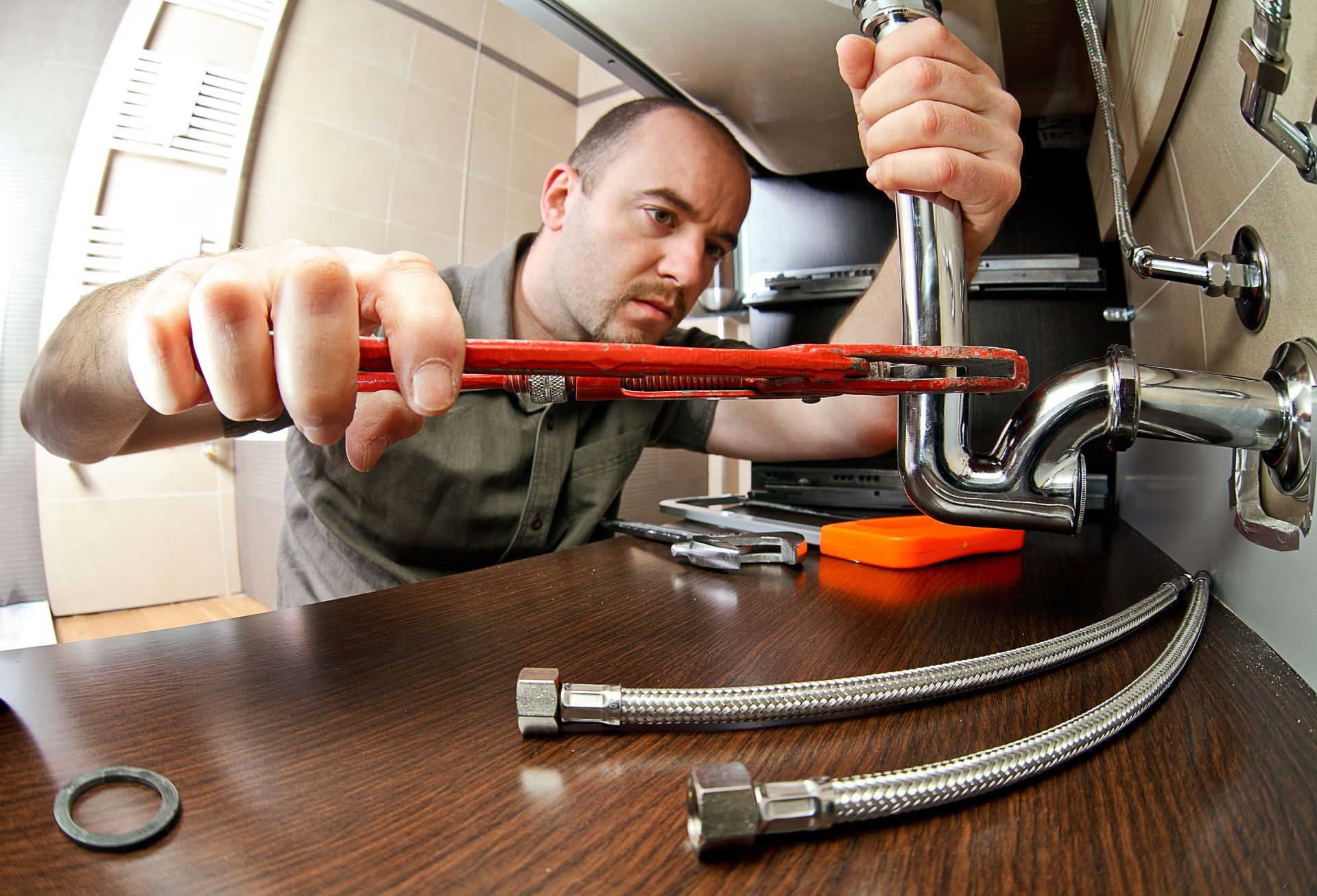
If a leak is detected, it’s essential to assess whether it’s a plumbing repair you can manage yourself or if it requires professional intervention. Many times, tightening a loose fixture or replacing a worn-out washer can solve the problem. However, persistent or widespread leaks often signify a more extensive issue that demands expert attention. Ignoring these leaks might lead to bigger damages and costs. Ultimately, knowing when to call a plumber is crucial to prevent escalating problems and costs.
Leaving faucet and fixture leaks untreated can significantly impact your monthly water bill. Even a slow drip can waste more than 3,000 gallons a year, equivalent to more than 180 showers, as stated by the EPA. The cost implications are substantial, where what appears as a small oversight accumulates into a hefty financial burden. Furthermore, the environmental impacts are considerable, where precious water resources are wasted unnecessarily. It’s not just about money; it’s about preserving an essential natural resource as well.
Beyond financial effects, untreated leaks can lead to water damage in your home. This damage can manifest as mold, mildew, and structural issues, creating additional plumbing repair costs. Mold, in particular, poses health risks, exacerbating allergies and respiratory conditions. Thus, ignoring what seems like a minor problem can have serious health and safety repercussions over time. By addressing leaks promptly, homeowners can avoid these additional costs and health threats.
Deciding whether to tackle a leak on your own or hire a professional depends largely on the complexity and location of the issue. For simple leaks, such as those in accessible faucets, DIY repairs are often feasible and cost-effective. With basic tools and a bit of guidance, you can replace worn-out washers or tighten loose fittings to stop leaks. Online resources and instructional videos can offer valuable step-by-step instructions for those willing to attempt the repairs themselves. It's a great opportunity to learn a new skill while saving money.
Running Toilets
A running toilet is often a deceptively simple yet common cause of high water bills. Water continuously fills and empties in the toilet tank, wasting a significant amount of water over time. Recognizing the signs of a running toilet can help prevent water wastage. Listen for the sound of water running when the toilet is not in use or look for unexplained fluctuations in your water meter when you’re not actively using water. Diagnosing a running toilet early is key to curbing unnecessary water usage and hefty bills.
Another tell-tale sign of a running toilet is a slight jiggle of the handle to stop the water noise—or noticing the toilet randomly refilling as if recently flushed. This should prompt you to investigate the internal components of the toilet’s tank. Often, the culprit lies within the flapper valve, fill valve, or overflow tube, which need regular inspection and replacement when worn out. Performing simple diagnostics to identify these signs can mean the difference between an economical water bill and costly wastage. Quick action can prevent the problem from escalating and save you money in the long run.
According to the Environmental Protection Agency, toilets account for approximately 30% of the average American home's indoor water usage. This highlights how critical it is to ensure your toilet is functioning correctly to avoid excess consumption. Addressing not only running toilets but also investigating overall toilet efficiency can lead to substantial water savings. Ensuring toilet performance aligns with water conservation goals is an impactful step towards sustainable water management. Ultimately, a precise diagnosis aids in maintaining an efficient household and more predictable utility costs.
Several factors can cause a toilet to run continuously. Often, the flapper, which is the rubber seal at the bottom of the tank, no longer creates a tight seal. This can be due to age, mineral build-up, or misalignment of the flapper. When this seal is compromised, water escapes into the bowl, creating that constant running sound. Addressing the flapper is often a straightforward fix, yet putting it off allows for ongoing water wastage.
Another common cause is an improperly adjusted float, which inaccurately controls the tank's water level. When the float is set too high, the water level rises beyond the overflow tube, continuously draining water. In addition, a faulty fill valve can also lead to perpetual water flow, as it fails to turn off the water supply properly. Each of these components is vital for regulating the toilet's water usage, and any malfunctions can set off an alarming increase in water consumption. Ensuring each part operates correctly is crucial for water efficiency.
Fixing a running toilet doesn't have to be an expensive venture; many solutions can be handled efficiently with basic household tools. To start, inspect the flapper valve to ensure it's properly sealing. If it's visibly worn or misaligned, replacing it with a new one is often all that’s needed. The process involves turning off the water supply, draining the tank, removing the old flapper, and installing the new one—all relatively simple steps. With a bit of patience, these minor plumbing repairs can be undertaken by most homeowners, offering an immediate reduction in water wastage.
Hidden Pipe Leaks
Hidden pipe leaks pose a unique challenge as they lack the visibility of above-ground leaks. Early detection relies on recognizing subtle indicators within your household. For instance, unexplained increases in water bills, despite no change in consumption habits, signal potential hidden leaks. Additional warning signs include damp spots on floors, walls, or ceilings, which might not immediately link to an active leak. Musty odors without an apparent source and weakened, peeling paint or wallpaper can also suggest underlying moisture issues stemming from undetected pipe leaks.
Sound is another potent tool in detecting concealed leaks. Listen for faint hissing or dripping beneath floors or within walls, especially in periods when household water use is minimal. Inspections of water meters during periods of non-usage can provide clues—leakage is probable if the meter indicates usage despite no active water consumption. Regular assessments of outdoor areas are equally important if underground pipes exist. Visible valley sections in soil or unexpectedly lush patches in the garden may indicate water saturation from subterranean leaks.
Overlooking hidden pipe leaks can result in severe, long-term damage. More than merely monetary losses, persistent leaks can compromise the structural integrity of your property. Water seepage can lead to foundation erosion and deterioration of load-bearing walls, ultimately depreciating property value. Trapped moisture engenders mold growth with hazardous health ramifications, particularly for those with allergies or respiratory conditions. Chronic exposure to damp environments exacerbates such issues, creating an unsafe living scenario over time.
Furthermore, minor leaks can easily escalate into major plumbing failures if ignored. Small, unaddressed cracks tend to worsen, potentially resulting in burst pipes and extensive flooding. In addition to repair expenses, such incidents incur higher cleanup costs, damaging personal belongings and necessitating immediate, often costly, intervention. Aside from tangible losses, unexpected repairs disrupt daily life, introducing stress and logistical challenges alongside financial burdens. Recognizing leaks promptly forestalls these spiraling consequences, mitigating risk before it manifests into an emergency. If you do need a plumbing repair, contact Grok Services Plumbing Heating & Cooling today.